Interventional Procedures

Minimally Invasive Solutions for Complex Problems

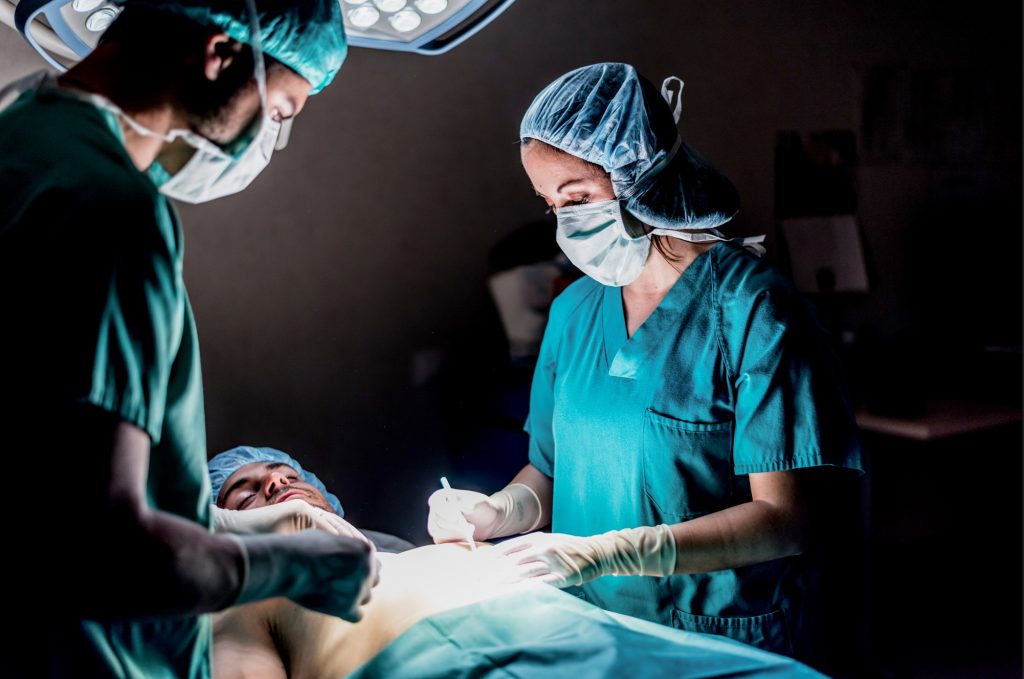
Interventional cardiology uses catheter-based techniques to diagnose and treat heart conditions without open surgery. Dr. Naidoo’s extensive procedural experience, gained from years at tertiary hospitals, ensures expert care for complex cardiac interventions.
Coronary Angiography

The Standard for Coronary Assessment

Coronary angiography provides detailed images of your heart’s blood vessels:

The Procedure:
  • Local anaesthetic at access site (wrist or groin)
  • Thin catheter guided to heart arteries
  • Contrast dye injection
  • X-ray imaging of blood flow
  • Immediate results available

Why It’s Needed:
  • Chest pain evaluation
  • Abnormal stress test results
  • Heart attack assessment
  • Pre-operative evaluation
  • Follow-up after previous stenting

Dr. Naidoo’s expertise ensures accurate interpretation and treatment planning.

Percutaneous Coronary Intervention (PCI)

Opening Blocked Arteries Without Surgery

Also known as angioplasty with stenting:

The Process:
  • Performed immediately after angiography if needed
  • Balloon inflation opens narrowed artery
  • Stent placement keeps artery open
  • Drug-eluting stents prevent re-narrowing
  • Same-day or overnight discharge typical

Complex Interventions:

Dr. Naidoo specialises in:
  • Chronic total occlusions
  • Bifurcation lesions
  • Left main disease
  • Multi-vessel interventions
  • High-risk patient management

Pacemaker Implantation

Restoring Your Heart’s Natural Rhythm

Dr. Naidoo’s advanced Medtronic training ensures optimal outcomes:

Implantation Process:
  • Local anaesthetic with sedation
  • Small incision below collarbone
  • Leads positioned in heart chambers
  • Generator placed under skin
  • Programming for individual needs
  • Usually home next day

Types Available:
  • Single-chamber pacemakers
  • Dual-chamber devices
  • Biventricular (CRT) systems
  • Leadless pacemakers
  • MRI-compatible devices

Post-procedure care includes wound monitoring and device optimisation.

Structural Heart Interventions

Beyond Coronary Arteries

While some procedures require referral, Dr. Naidoo evaluates and coordinates:

Patent Foramen Ovale (PFO) Closure For stroke prevention in selected patients

Atrial Septal Defect (ASD) Closure Closing holes between heart chambers

Valvuloplasty Balloon treatment for narrowed valves

Left Atrial Appendage Closure Stroke prevention in atrial fibrillation

Appropriate patient selection ensures optimal outcomes.

Emergency Interventions

When Every Minute Counts
Dr. Naidoo’s CCU experience includes:

Primary PCI for Heart Attacks
  • Immediate artery opening
  • Clot extraction
  • Stent placement
  • Heart muscle salvage

Emergency Pacemaking
  • Temporary pacing for heart block
  • Overdrive pacing for arrhythmias
  • Bridge to permanent device

Pericardiocentesis
  • Fluid drainage around heart
  • Life-saving in cardiac tamponade

Rapid intervention significantly improves survival and recovery.
FAQs

Quick Answers to Common Questions

Neither is universally better; the choice depends on your specific anatomy, number of blockages, diabetes status, and heart function. Angioplasty offers quicker recovery and less invasive treatment, while bypass may be better for extensive disease. Dr. Naidoo discusses options based on your individual circumstances.

Modern drug-eluting stents remain open in over 95% of patients long-term. Unlike bypass grafts, stents don't "wear out" but the disease can progress in other arteries. Success depends on medication compliance and risk factor control. Regular follow-up detects any new problems early.

Serious complications occur in less than 1% of cases. Minor risks include bruising at the access site, allergic reactions to contrast, or temporary kidney function changes. Dr. Naidoo's experience minimises risks while his careful patient selection ensures procedures are performed only when benefits outweigh risks.

Most modern pacemakers are MRI-conditional, meaning MRIs can be performed with proper precautions. Older devices may not be MRI-safe. Dr. Naidoo implants MRI-compatible devices when possible and coordinates safe imaging for patients with existing devices.

After angiography/angioplasty via the wrist, driving is usually possible within 2-3 days. Groin access requires 1 week. Pacemaker implantation typically requires 1-2 weeks depending on wound healing. Dr. Naidoo provides specific guidance based on your procedure and recovery.

Request an Appointment